Unleash the Future of Pet Nutrition: What’s in Store for 2026

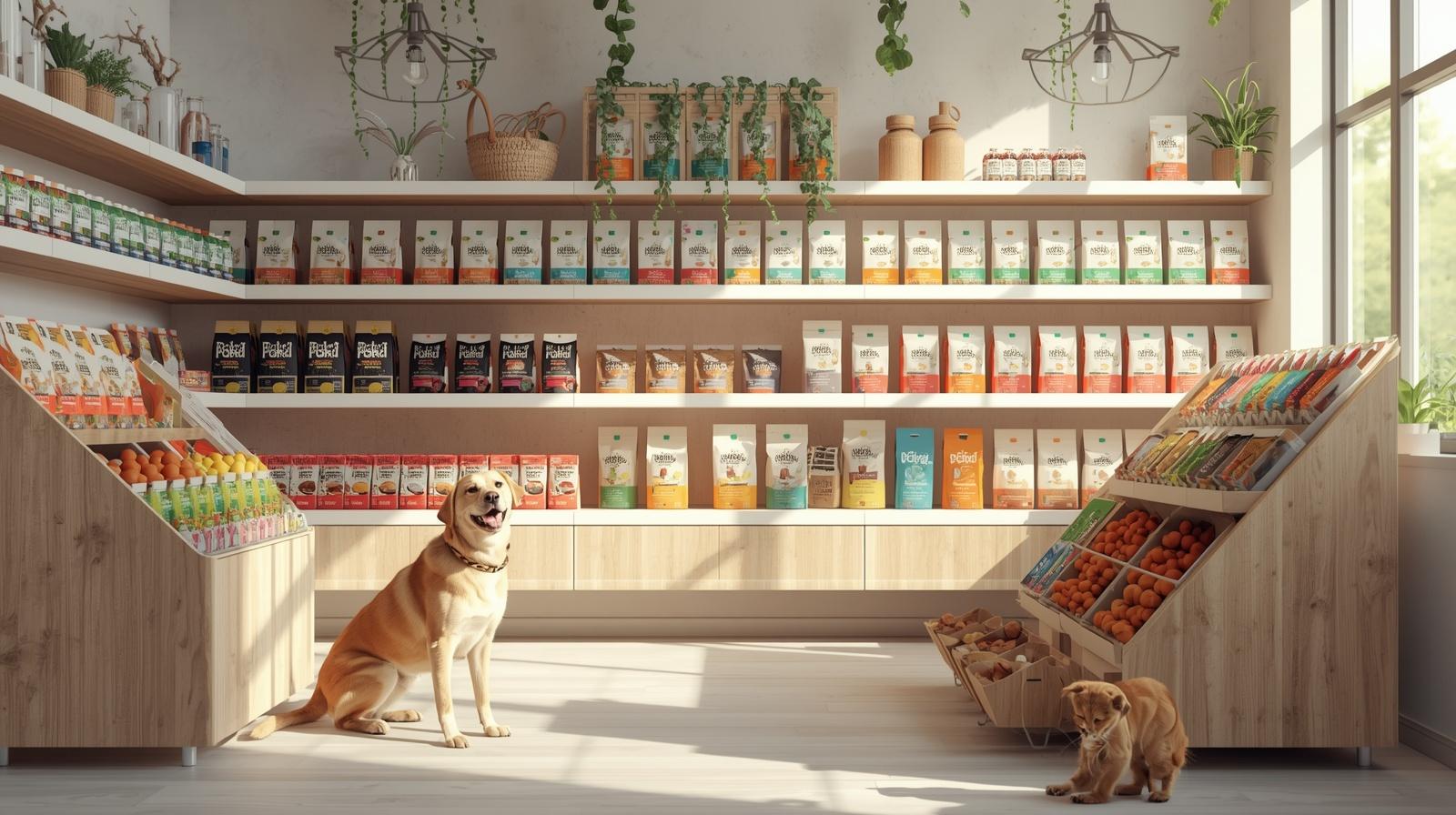
The pet food industry stands at a fascinating crossroads as we navigate through 2026. American pet owners are no longer satisfied with simply filling their furry friends’ bowls with generic kibble. They’re demanding transparency, personalization, and sustainability from every brand they trust with their beloved companions’ health. This shift represents more than just a trend – it’s a fundamental change in how we approach pet nutrition. The modern pet parent is educated, discerning, and willing to invest in premium solutions that promise better health outcomes for their four-legged family members. As traditional pet food formulas give way to innovative alternatives, we’re witnessing a revolution that puts individual pet needs at the center of nutritional planning.
The Personalized Pet Nutrition Revolution
Gone are the days when pet owners would grab any bag of dog food off the shelf and call it a day. Today’s pet parents are embracing personalized nutrition with the enthusiasm of someone discovering the perfect recipe for their pet’s optimal health. This movement toward customization is powered by sophisticated algorithms that analyze everything from your pet’s breed and age to their activity level and specific health concerns. Companies are now offering detailed questionnaires that dive deep into your pet’s lifestyle, creating comprehensive profiles that inform every nutritional recommendation.
The subscription-based model has become the gold standard for delivering personalized pet nutrition. These services don’t just ship food to your door – they continuously learn and adapt based on your pet’s changing needs. As your puppy grows into an adult dog, or as your senior cat develops new dietary requirements, these platforms automatically adjust portion sizes, ingredients, and nutritional balance. Pet owners report feeling more confident about their feeding choices, knowing that each meal is specifically crafted for their individual animal’s requirements rather than following a generic formula designed for millions of pets.
What makes this personalization truly revolutionary is the integration of veterinary science with everyday pet care. Many personalized pet food services now work directly with veterinarians and pet nutritionists to ensure their algorithms reflect the latest research in animal health. This collaboration means pet owners can access professional-grade nutritional planning without the high costs typically associated with specialized veterinary diets. The result is a more informed, health-conscious approach to pet feeding that treats each animal as the unique individual they are.
Sustainable and Ethical Sourcing Takes Center Stage
Environmental consciousness has moved from the fringes to the mainstream of pet food purchasing decisions. Modern pet owners are asking tough questions about where their pet’s food comes from, how it’s produced, and what impact it has on the planet. This scrutiny has forced manufacturers to completely rethink their supply chains, sourcing practices, and production methods. Brands that can demonstrate genuine commitment to sustainability are finding themselves with a significant competitive advantage in an increasingly crowded marketplace.
The focus on sustainable sourcing extends far beyond simply using organic ingredients. Pet food companies are now investing in renewable energy for their manufacturing facilities, partnering with local farmers to reduce transportation emissions, and implementing water conservation measures throughout their production processes. Packaging innovations have also become a major differentiator, with brands competing to offer the most environmentally friendly options. From compostable bags made from plant-based materials to refillable containers that reduce packaging waste, the industry is responding to consumer demand for eco-conscious solutions.
- Locally-sourced ingredients that support regional farmers and reduce carbon footprint from transportation
- Transparent supply chain documentation that allows pet owners to trace ingredients back to their origins
- Cruelty-free production methods that ensure ethical treatment of all animals in the supply chain
- Renewable energy usage in manufacturing facilities to minimize environmental impact
- Innovative packaging solutions using biodegradable, compostable, or fully recyclable materials
Alternative Protein Sources Reshape Pet Nutrition
The protein landscape in pet food is experiencing a dramatic transformation as manufacturers explore innovative alternatives to traditional meat sources. Plant-based proteins, insect proteins, and lab-grown meat alternatives are no longer experimental curiosities – they’re becoming mainstream options that offer compelling benefits for both pets and the environment. These alternative proteins often provide complete amino acid profiles while requiring significantly fewer natural resources to produce compared to conventional meat sources.
Insect-based proteins, in particular, have gained remarkable traction among environmentally conscious pet owners. Cricket flour and other insect-derived ingredients offer exceptional nutritional density with a fraction of the environmental impact associated with traditional livestock farming. These proteins are highly digestible for pets and often hypoallergenic, making them ideal for animals with food sensitivities or allergies. The initial resistance from pet owners has largely given way to acceptance as they recognize the health benefits and environmental advantages these alternatives provide.
Plant-based proteins have also evolved significantly, with manufacturers developing sophisticated blending techniques that create complete amino acid profiles from various plant sources. Legumes, quinoa, sweet potatoes, and other nutrient-dense plants are being combined in ways that meet or exceed the nutritional value of traditional meat-based formulas. These options appeal particularly to pet owners who follow plant-based diets themselves and want to extend their ethical choices to their pets’ nutrition. The key has been demonstrating that these alternatives don’t compromise on taste or nutritional quality – factors that remain paramount for pet owners regardless of their environmental concerns.
Technology Integration and Smart Feeding Solutions
The intersection of technology and pet nutrition has created exciting opportunities for more intelligent, responsive feeding systems. Smart feeding devices now monitor your pet’s eating habits, track consumption patterns, and even adjust portion sizes based on activity levels measured by connected fitness trackers designed for pets. These technological solutions provide unprecedented insights into your pet’s health and eating behaviors, enabling early detection of potential health issues and more precise nutritional management.
Artificial intelligence is playing an increasingly important role in pet nutrition recommendations. Advanced algorithms analyze vast databases of pet health information, nutritional research, and individual pet data to make increasingly sophisticated dietary recommendations. These systems can identify potential nutrient deficiencies before they become health problems, suggest dietary modifications based on seasonal changes or life stage transitions, and even predict optimal feeding schedules based on your pet’s unique metabolism and activity patterns.
Mobile applications have become essential tools for modern pet parents, offering features like ingredient scanning, nutritional tracking, and direct consultation with veterinary nutritionists. These apps often integrate with smart feeding devices and wearable pet technology to create comprehensive health monitoring systems. Pet owners can track everything from daily caloric intake to hydration levels, creating detailed health profiles that support more informed veterinary consultations and nutritional decision-making. The convenience and insight provided by these technological solutions have made them indispensable for health-conscious pet owners who want to optimize every aspect of their pets’ well-being.
The future of pet nutrition is bright, innovative, and deeply personal. As we continue through 2026 and beyond, the industry will keep evolving to meet the sophisticated demands of modern pet owners who view their animals as family members deserving the highest quality nutrition available. Embrace these exciting developments and discover how the latest innovations in pet nutrition can enhance your furry friend’s health, happiness, and longevity! 🐾