Revolutionary Sustainable Pet Food Trends Transforming 2026: The Complete Guide to Eco-Friendly Pet Nutrition

Pet ownership in America has reached an all-time high, and with it comes a growing awareness of the environmental impact our furry companions have on the planet. As we navigate through 2026, pet parents are no longer satisfied with simply providing basic nutrition for their dogs and cats. They’re demanding products that align with their values of sustainability, environmental responsibility, and ethical sourcing. This shift represents one of the most significant transformations the pet food industry has ever experienced, fundamentally changing how manufacturers develop, package, and market their products.
The numbers don’t lie – the sustainable pet food market has grown by over 300% in the past three years, with projections showing continued exponential growth through the end of the decade. This isn’t just a passing trend; it’s a complete reimagining of what pet nutrition can and should be. From cricket-based kibble to packaging made from mushroom mycelium, the innovations emerging in 2026 are nothing short of revolutionary. Pet owners are willing to invest more in products that promise not only superior nutrition for their animals but also a reduced carbon pawprint on the environment.
The Alternative Protein Revolution: Beyond Traditional Meat Sources
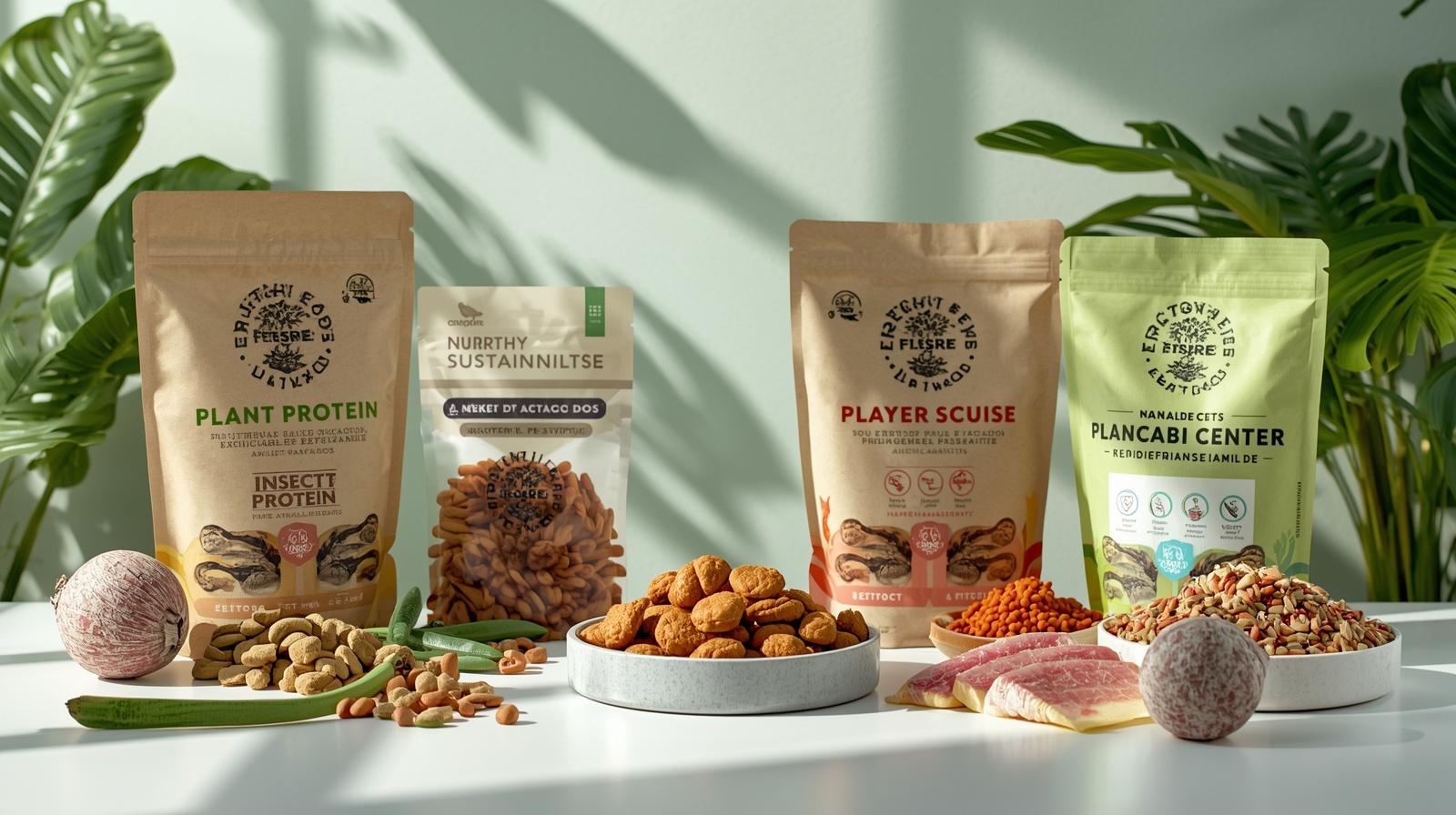
The most dramatic shift in sustainable pet food is happening at the protein level. Traditional beef, chicken, and fish-based formulas are being challenged by innovative alternatives that pack the same nutritional punch while using a fraction of the environmental resources. Insect-based proteins are leading this charge, with companies like Chirp Treats and Bugeater Foods proving that crickets and mealworms aren’t just viable protein sources – they’re superior ones in many ways.
What makes insect protein so compelling is its efficiency. Crickets require 2,000 times less water than beef to produce the same amount of protein, and they emit virtually no greenhouse gases during production. A single pound of cricket protein requires just two pounds of feed to produce, compared to eight pounds of feed needed for the same amount of beef protein. For pet owners doing the math on their environmental impact, these numbers are game-changing. The nutritional profile is equally impressive – insect proteins contain all nine essential amino acids dogs and cats need, plus additional benefits like natural prebiotics and omega-3 fatty acids.
Plant-based proteins are also making significant inroads, though they require more sophisticated formulation to meet pets’ nutritional needs. Companies like Halo and Wild Earth have invested millions in research to create plant-based formulas that don’t just match traditional pet foods nutritionally – they exceed them. These formulas typically combine multiple protein sources like peas, lentils, and quinoa, then fortify them with lab-grown nutrients to ensure complete amino acid profiles. The result is pet food that’s not only environmentally friendly but often more digestible than traditional meat-based options.
Upcycling: Turning Waste Streams into Nutritional Gold
One of the most ingenious trends in sustainable pet food is the concept of upcycling – taking what would otherwise be waste and transforming it into high-quality pet nutrition. This approach tackles two problems simultaneously: reducing waste in our food system while creating nutritious, affordable pet food ingredients. The brewing industry has become an unexpected partner in this movement, with spent grains from beer production finding new life as fiber-rich pet food components.
Spent Grain Solutions has perfected the art of collecting these brewery byproducts and processing them into nutritionally dense ingredients. These spent grains are rich in protein, fiber, and B-vitamins, making them excellent additions to pet food formulas. What’s particularly exciting is how this creates a local supply chain – craft breweries in communities across America are partnering with regional pet food manufacturers, reducing transportation costs and supporting local economies while diverting waste from landfills.
The ugly produce movement has also found its way into pet food manufacturing. Fruits and vegetables that don’t meet cosmetic standards for human consumption are being transformed into valuable pet food ingredients. Companies like Imperfect Foods and Misfit Market are working directly with farmers to rescue produce that would otherwise rot in fields or be discarded during processing. These ingredients often retain the same nutritional value as their prettier counterparts, sometimes even higher levels of antioxidants and vitamins due to natural stress responses in the plants.
- Cricket protein requires 2,000 times less water than beef protein production while providing complete amino acid profiles
- Spent grains from breweries are being upcycled into fiber-rich, B-vitamin packed pet food ingredients
- Ugly produce rescue programs are preventing millions of pounds of nutritious fruits and vegetables from entering landfills
- Lab-grown nutrients are being used to fortify plant-based formulas, ensuring complete nutritional profiles for pets
- Mushroom-based proteins are emerging as the next frontier in sustainable pet nutrition, offering unique health benefits
Revolutionary Packaging Solutions: Rethinking the Container
While much attention has focused on what goes inside pet food packages, the containers themselves are undergoing an equally dramatic transformation. Traditional plastic bags and aluminum cans are being replaced by innovative materials that can biodegrade, compost, or be completely recycled. This packaging revolution is driven by the stark reality that pet food packaging represents a significant portion of household waste – the average dog owner throws away over 50 pounds of pet food packaging annually.
Compostable packaging made from plant-based materials is leading this transformation. Companies like Terracycle and Eco-Pet have developed bags made from corn starch, mushroom mycelium, and other organic materials that break down completely in home composting systems within 90 days. These aren’t flimsy, temporary solutions – they provide the same barrier protection and shelf life as traditional packaging while leaving no trace in the environment after use.
The innovation doesn’t stop at the bag itself. Some manufacturers are experimenting with edible packaging made from seaweed and other marine plants. While still in early development, these edible wrappers could completely eliminate packaging waste for certain types of pet treats and supplements. Other companies are developing refillable container systems, where pet owners purchase durable containers once and then buy refills in minimal packaging, similar to how bulk food stores operate.
The Technology Behind Sustainable Pet Nutrition
Advanced technology is playing a crucial role in making sustainable pet food both nutritionally complete and economically viable. Precision fermentation, the same technology used to create lab-grown meat for humans, is being adapted for pet food production. This process allows manufacturers to create specific proteins, vitamins, and other nutrients without the environmental impact of traditional animal agriculture or the uncertainty of plant-based alternatives.
Artificial intelligence and machine learning are optimizing formulations in ways that weren’t possible just a few years ago. These systems can analyze thousands of ingredient combinations to find the most sustainable options that still meet strict nutritional requirements. They can also predict how different ingredients will interact during processing and storage, reducing waste from failed batches and ensuring consistent quality.
Blockchain technology is providing unprecedented transparency in the supply chain, allowing pet owners to trace ingredients from farm to bowl. This traceability is becoming increasingly important to consumers who want to verify the sustainability claims of the products they purchase. Some brands are even providing QR codes on packaging that link to detailed information about the specific farms, processing facilities, and transportation methods used for that particular batch of food.
The future of sustainable pet food isn’t just about being environmentally responsible – it’s about creating a better, more transparent, and more nutritious food system for our beloved companions. As we move further into 2026 and beyond, these trends will continue evolving, driven by pet owners who refuse to compromise between their love for their animals and their commitment to the planet. The companies that embrace these changes aren’t just meeting market demand; they’re reshaping an entire industry for the better. 🌱