Calm Your Beloved Pets: Revolutionary Anti-Anxiety Methods That Actually Work

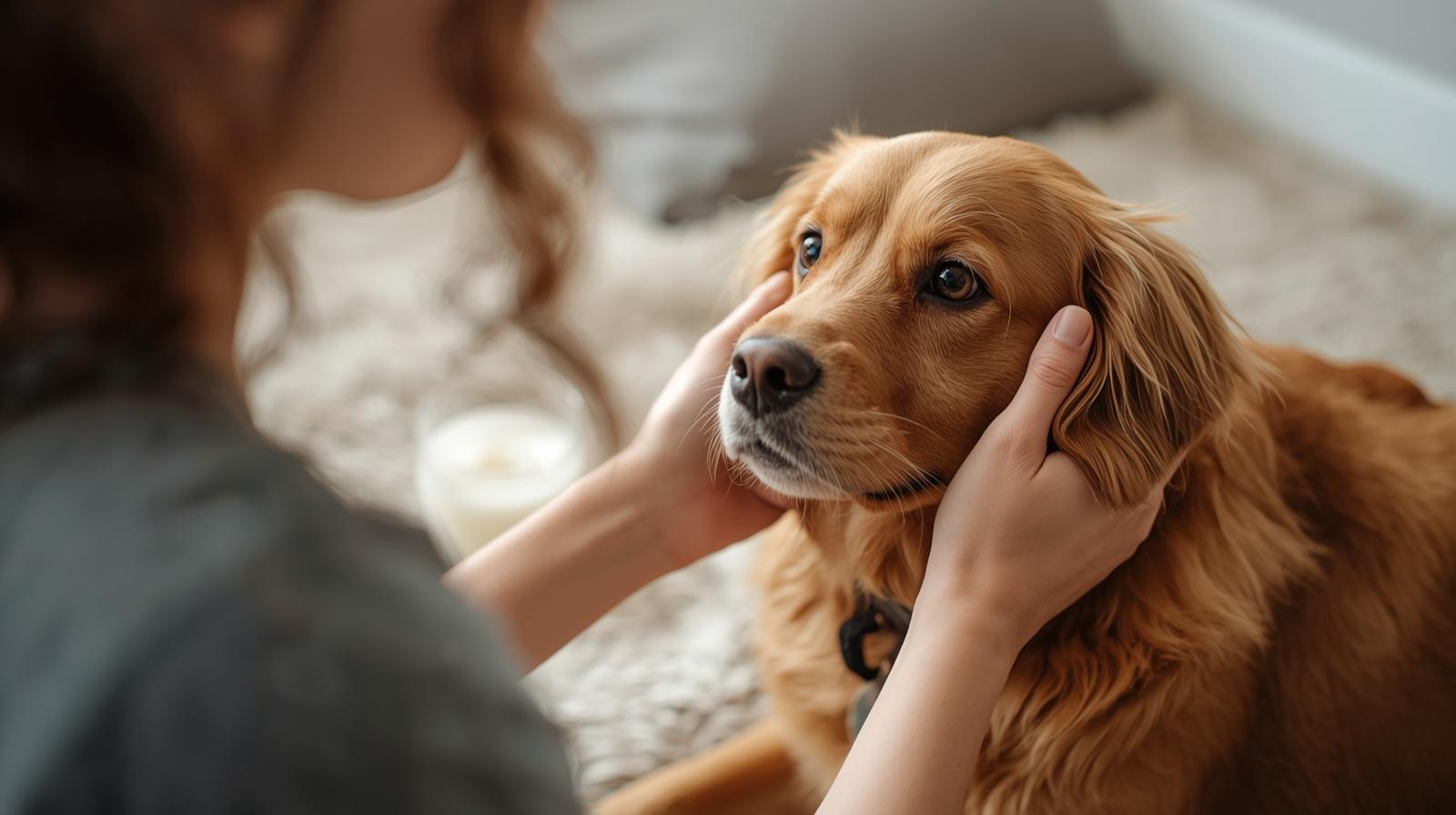
If your furry companion has been showing signs of stress and anxiety lately, you’re definitely not imagining things. Pet anxiety rates have skyrocketed in recent years, affecting millions of dogs, cats, and other beloved animals worldwide. The constant changes in our modern lifestyle, combined with environmental factors and social disruptions, have created a perfect storm for pet stress. But here’s the amazing news: we’re living in an unprecedented era of breakthrough solutions that are completely transforming how we help our anxious pets.
Gone are the days when pet owners had to helplessly watch their companions suffer through thunderstorms, separation anxiety, or mysterious behavioral changes. Today’s innovative technologies, paired with refined traditional approaches, are creating incredible opportunities for healing and emotional balance. We’re talking about real, measurable results that can transform your stressed-out pet into a confident, relaxed family member who genuinely enjoys life again.
Understanding the Root Causes of Pet Anxiety
Before diving into solutions, it’s absolutely crucial to understand what’s actually triggering your pet’s anxiety. Veterinary behaviorists and animal psychologists have spent years identifying the primary culprits, and their findings are eye-opening. Environmental changes top the list – things like moving to a new home, adding family members (human or animal), or sudden schedule disruptions can completely shake up your pet’s sense of security and routine.
Sensory overload represents another massive trigger that many pet owners underestimate. Thunderstorms, fireworks, construction noise, vacuum cleaners, and even everyday household appliances can create overwhelming experiences for sensitive animals. Their hearing is often far more acute than ours, meaning they’re processing sounds and frequencies we can’t even detect. Additionally, separation anxiety has become increasingly common as work patterns shift and pets find themselves alone for extended periods they’re simply not comfortable with.
Perhaps most surprisingly, underlying medical issues frequently manifest as anxiety symptoms. Pain, hormonal imbalances, digestive problems, or neurological conditions can all create behavioral changes that look exactly like stress and anxiety. This is why working with your veterinarian to rule out physical causes should always be your first step before implementing any behavioral intervention strategies.
Smart Wearables: The Future of Pet Anxiety Management
The wearable technology revolution has finally reached our pets, and the results are absolutely mind-blowing. These aren’t simple activity trackers or basic GPS collars – we’re talking about sophisticated medical-grade devices equipped with advanced biofeedback sensors that continuously monitor your pet’s physiological state. Heart rate variability, breathing patterns, body temperature, stress hormone indicators, and even sleep quality all get tracked in real-time with incredible accuracy.
When these intelligent devices detect the early warning signs of rising anxiety levels, they immediately spring into action with targeted interventions. Some models release carefully calibrated calming vibrations that work similarly to anxiety vests but with much more precision. Others emit pet-safe therapeutic scents through micro-diffusion technology, delivering aromatherapy exactly when it’s needed most. The most advanced models provide gentle electrical impulses that naturally stimulate the release of calming neurotransmitters.
The smartphone connectivity aspect adds another layer of incredible value. You can monitor your pet’s emotional state from anywhere in the world, receiving instant notifications if anxiety levels spike. Imagine being at work and getting an alert that your dog is showing early stress signs before a thunderstorm hits your neighborhood. You could immediately activate calming protocols remotely, potentially preventing a full-blown anxiety episode before it even starts.
- Real-time biometric monitoring with instant anxiety detection and automatic intervention systems
- Smartphone integration allowing remote monitoring and control of calming features from anywhere
- Customizable intervention protocols tailored to your specific pet’s anxiety triggers and preferences
- Long-term data tracking to identify patterns and optimize treatment effectiveness over time
- GPS functionality combined with emotional monitoring for comprehensive pet safety and wellbeing
Aromatherapy and Sound Therapy: Enhanced Natural Solutions
Traditional calming methods haven’t been forgotten in this technological revolution – instead, they’ve received incredible upgrades that make them more effective than ever before. Modern pet-specific aromatherapy systems represent a quantum leap from simply lighting a lavender candle and hoping for the best. These sophisticated diffusers release precisely formulated essential oil blends that have been extensively tested for both safety and effectiveness with different animal species.
The science behind these aromatic solutions is fascinating. Researchers have identified specific scent compounds that directly interact with the limbic system – the emotional center of your pet’s brain. Chamomile, valerian root, and specially processed lavender create measurable reductions in stress hormones when delivered in the correct concentrations. The key breakthrough is in the delivery method: micro-diffusion technology ensures your pet receives therapeutic benefits without overwhelming their incredibly sensitive olfactory systems.
Sound therapy has evolved far beyond playing classical music and hoping it helps. Today’s audio systems create precisely engineered frequencies and soundscapes that naturally synchronize with your pet’s brainwaves, promoting deep relaxation states. Some systems incorporate binaural beats specifically calibrated for animal hearing ranges, while others use nature sounds enhanced with subsonic frequencies that humans can’t hear but that profoundly calm anxious animals. The most sophisticated setups can automatically adjust volume and frequency based on your pet’s real-time stress levels.
Building Lasting Confidence and Emotional Resilience
While immediate anxiety relief is important, the ultimate goal is developing genuine emotional resilience and confidence in your pet. This requires a comprehensive approach that addresses both symptoms and underlying emotional patterns. Start by becoming a detective about your pet’s specific anxiety triggers. Keep a detailed journal noting when anxiety episodes occur, what environmental factors were present, and how severe the reactions were. This data becomes invaluable for creating targeted intervention strategies.
Gradual exposure therapy, when done correctly, can create remarkable long-term improvements. This involves very slowly and carefully introducing your pet to anxiety-triggering situations in controlled, positive ways. For example, if your dog panics during thunderstorms, you might start by playing very quiet storm sounds while engaging in enjoyable activities like treat training or playtime. Over weeks or months, you gradually increase the volume while maintaining positive associations. The key is never overwhelming your pet – progress should be so gradual it’s almost imperceptible.
Environmental enrichment plays a crucial role in building emotional strength. This means creating a living space that supports your pet’s natural behaviors and provides multiple options for self-soothing. Comfortable hiding spots, interactive puzzle toys, climbing structures for cats, and designated quiet zones all contribute to emotional security. When pets feel they have control over their environment and multiple ways to cope with stress, their overall anxiety levels decrease significantly.
Consistency in daily routines cannot be overstated in its importance. Anxious pets thrive when they can predict what comes next in their day. Regular feeding times, exercise schedules, and bedtime routines create a framework of security that helps prevent anxiety from building up. Even small changes in routine should be introduced gradually whenever possible, giving your pet time to adjust without triggering stress responses.
Remember that every pet is an individual with unique personality traits, past experiences, and genetic predispositions. What creates miraculous results for one anxious cat might have minimal impact on another. Be prepared to experiment with different combinations of these innovative techniques, always working closely with veterinary professionals who understand animal behavior. Patience and persistence are your greatest allies in this process – lasting change takes time, but the results are absolutely worth the effort. Your beloved companion deserves to live a life free from constant stress and anxiety, and with today’s amazing tools and techniques, that goal is more achievable than ever before! 🐾