Preparing Your Beloved Pets for the Smart Home Revolution: A Complete Guide for Pet Parents

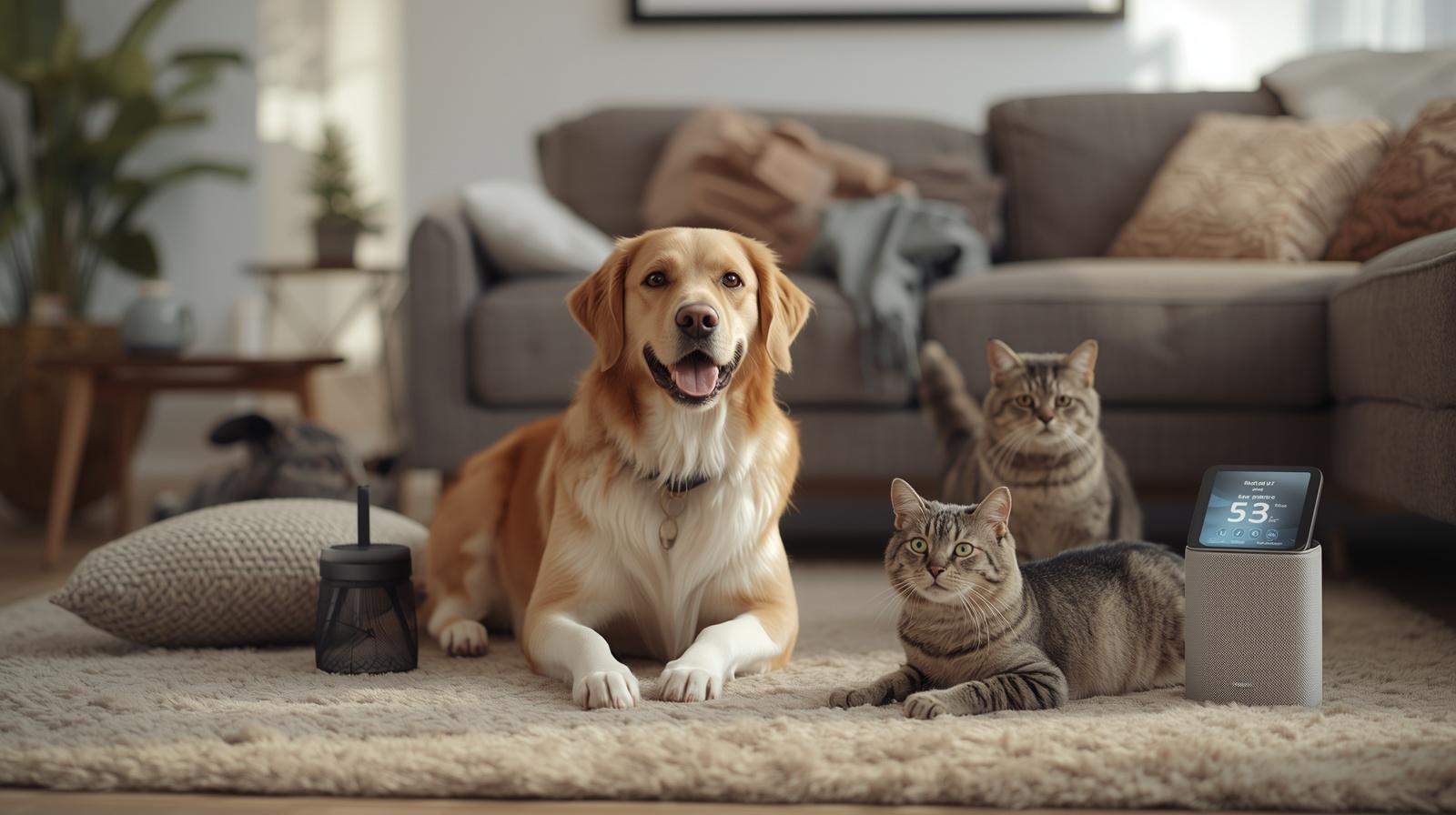
Picture this: it’s 2026, and your house is buzzing with intelligent technology. Your morning coffee brews automatically, lights adjust based on the time of day, and robotic helpers handle everything from feeding your pets to cleaning their spaces. While this sounds like a dream come true for us humans, our furry, feathered, and scaly companions might have very different feelings about all this high-tech magic happening around them.
The reality is that pets experience the world differently than we do. What seems convenient and exciting to us can appear threatening or confusing to animals who rely heavily on routine and familiar environments. Dogs might bark at voice assistants, cats could hide from robotic vacuums, and birds might become stressed by the constant hum of new devices. But here’s the encouraging news: with the right approach, patience, and understanding, you can help your pets not just tolerate but actually thrive in a smart home environment.
The key lies in recognizing that this transition isn’t just about installing new gadgets—it’s about thoughtfully integrating technology in a way that respects your pets’ natural behaviors and emotional needs. When done correctly, smart home technology can actually enhance your pets’ quality of life, providing better care, more consistent routines, and even entertainment designed specifically for animals.
Understanding Your Pet’s Perspective on New Technology
Before diving into specific strategies, it’s crucial to understand why pets often struggle with new technology. Animals are naturally cautious creatures, especially when it comes to unfamiliar objects that make sounds, move unexpectedly, or emit lights. From an evolutionary standpoint, this caution has helped them survive—unknown things could potentially be dangerous.
Different pets react differently to technology based on their species, personality, and past experiences. Dogs, being naturally social and curious, might approach new devices with interest but can become anxious if the technology makes sudden noises or movements. Cats, known for their independence and territorial nature, often prefer to observe new additions to their environment from a safe distance before deciding whether to accept or avoid them. Birds and small mammals can be particularly sensitive to changes in their environment, as they’re naturally prey animals with heightened awareness of potential threats.
Understanding these natural tendencies helps you approach the introduction of smart home technology with empathy and realistic expectations. Remember that what might seem like stubbornness or fear is actually your pet’s intelligent way of protecting themselves from perceived threats. By working with these instincts rather than against them, you can create positive associations with new technology that will last throughout your pet’s life.
The Art of Gradual Technology Introduction
The most successful approach to preparing pets for smart homes involves gradual, methodical introduction of new devices. Think of it like introducing a new food to a picky eater—you wouldn’t serve an entirely new cuisine all at once. Instead, you’d incorporate small changes over time, allowing for adjustment and acceptance at each stage.
Start with the simplest devices first. A smart speaker or voice assistant is often an ideal beginning point because it’s stationary and primarily involves sound rather than movement. Place the device in a common area where your pets spend time, but don’t activate it immediately. Let them investigate it on their own terms, sniffing and examining it without any pressure or excitement from you. This initial exploration phase is crucial for building comfort and familiarity.
Once your pets seem comfortable with the physical presence of the device, begin using it for basic commands during positive activities. If you’re playing with your dog or giving treats to your cat, casually use voice commands to control lights or music. This creates positive associations between the device’s responses and enjoyable experiences. The goal is for your pets to eventually ignore or even find comfort in these technological interactions rather than viewing them as disruptions.
Timing is everything in this process. Never introduce new technology when your pets are already stressed, such as during thunderstorms, when guests are visiting, or after a vet visit. Choose calm, relaxed periods when your pets are in their normal, comfortable state of mind. This sets the foundation for positive first impressions that will influence all future interactions with the technology.
Creating Positive Voice Command Experiences
Voice-controlled systems are the backbone of most smart homes, but the concept of devices “talking back” can be genuinely frightening for pets who have never experienced this phenomenon. The key to success lies in normalizing these interactions through strategic timing and positive reinforcement.
Begin by incorporating voice commands into activities your pets already love. During feeding time, use voice commands to adjust lighting or play soft music. When your dog brings you their favorite toy, casually ask your smart speaker to play calming pet music or adjust the thermostat. These associations help pets understand that voice commands are simply another part of their beloved routines rather than strange, unpredictable events.
Pay attention to your pets’ reactions to different voices and tones. Some pets might prefer certain wake words or assistants over others based on the pitch and tone of the responses. If your pet seems startled by one voice assistant, try adjusting the volume or even switching to a different one with a different vocal characteristics. Many smart speakers now offer various voice options, including different accents and tones that might be more appealing to your pets.
Practice patience during this phase. Some pets adapt to voice commands within days, while others might need weeks or even months to feel completely comfortable. Watch for signs of stress such as hiding, excessive panting, or changes in eating habits, and slow down the process if needed. Remember that the goal is long-term acceptance and comfort, not quick adaptation that might create lasting anxiety.
- Start voice commands during treat time or play sessions to create positive associations
- Keep initial volume levels low and gradually increase as pets become comfortable
- Use consistent wake words and commands to help pets predict and understand the technology
- Reward calm or curious behavior around voice assistants with treats and praise
- Avoid using voice commands when pets are already stressed or anxious
Introducing Robotic and Automated Pet Care Systems
The future of pet care includes incredible automated solutions—robotic litter boxes that clean themselves, automatic feeders that dispense precise portions at scheduled times, and even robotic companions that can interact with pets when owners are away. However, these moving, mechanical helpers can appear quite alien to animals who are used to human caregivers handling their daily needs.
When introducing automatic feeders, start by placing the device near your pet’s existing feeding area without activating the automatic functions. Let them explore and become familiar with the physical presence of the feeder. Once they’re comfortable, begin using it for occasional treats rather than full meals. This allows them to associate the device with positive experiences while still maintaining their regular feeding routine with you.
For robotic vacuum cleaners or litter box cleaners, the introduction process requires extra care due to the movement and mechanical sounds these devices produce. Begin by allowing your pets to investigate the stationary device. Then, operate it in a different room where pets can hear the sounds but aren’t directly confronted by the movement. Gradually move the operation closer to areas where pets spend time, always monitoring their comfort levels and providing treats and reassurance.
Consider the timing of automated device operation carefully. Many pets feel most secure when their owners are present, so initially run robotic devices when you’re home to provide comfort and intervention if needed. As pets become more comfortable, you can gradually transition to operating these devices when you’re away, giving pets the benefit of automated care without the stress of unfamiliar experiences happening in your absence.
Managing Sounds, Movements, and Environmental Changes
Smart homes generate a symphony of new sounds—notification chimes, motor humming, mechanical clicks, and electronic beeps. For pets with sensitive hearing, these sounds can be overwhelming or even painful. Creating a sound management strategy is essential for maintaining your pets’ comfort and well-being in a connected home environment.
Begin by identifying which sounds affect your pets most strongly. Some animals are more sensitive to high-pitched beeps, while others might be startled by low-frequency humming. Keep a brief log of your pets’ reactions to different technological sounds, noting which ones cause stress and which ones they ignore or adapt to quickly. This information will guide your decisions about device placement, volume levels, and operation schedules.
Consider using smart home capabilities to actually improve your pets’ sound environment. Program your system to play calming music during typically stressful times, use white noise to mask external sounds that upset your pets, or create audio schedules that provide consistency and predictability. Many pets find comfort in routine sounds, so consistent background audio from smart speakers can actually become a soothing presence rather than a source of anxiety.
Movement-based devices like robotic vacuums or automated pet toys require special consideration. Start these devices in open areas where pets can easily see and predict their movement patterns. Avoid surprising pets with sudden robotic activity in small spaces or areas where they typically retreat for comfort. Gradually increase the complexity of robotic movements as pets demonstrate comfort and confidence around these devices.
Environmental changes such as automated lighting adjustments, temperature modifications, or smart blinds opening and closing should be introduced gradually as well. Begin with subtle changes during times when pets are relaxed and alert. Avoid dramatic lighting changes that might startle pets, especially during their sleeping hours or feeding times. Program your smart home system to make environmental adjustments slowly and predictably, allowing pets to notice and adapt to changes without feeling surprised or threatened.
The transformation to a smart home lifestyle represents an exciting opportunity to enhance both your life and your pets’ daily experiences. With thoughtful planning, patient introduction, and consistent positive reinforcement, your furry, feathered, or scaled family members can not only adapt to technological changes but actually benefit from the improved care and convenience that smart home systems provide. Remember that every pet is unique, and the timeline for adaptation will vary based on individual personalities, past experiences, and natural tendencies. Stay flexible, observe your pets’ responses carefully, and adjust your approach as needed to ensure everyone in your household can enjoy the benefits of connected living! 🐾