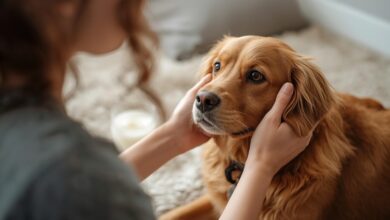
Is Your Dog Struggling with Separation Anxiety? 5 Proven Tips to Help


If you’ve noticed your dog barking endlessly, chewing up furniture, or having accidents indoors the moment you walk out the door, you’re dealing with one of the most common behavioral challenges facing pet owners in the United States right now: separation anxiety. And honestly? It’s not your dog’s fault — and it’s not yours either. The post-pandemic world brought a massive shift in how we live and work, and our dogs felt every single bit of that change. After spending years glued to our sides during lockdowns, remote work arrangements, and stay-at-home orders, millions of dogs across the country are now struggling to cope with being left alone again. The transition back to offices, social lives, and pre-pandemic routines has been tough on us humans — but for our four-legged companions, it’s been downright confusing and frightening. The good news is that separation anxiety in dogs is absolutely manageable. With the right strategies, a whole lot of patience, and a little consistency, you can help your dog feel safe, calm, and confident even when you’re not in the room. This guide walks you through everything you need to know.
Understanding Why Your Dog Developed Separation Anxiety in the First Place
Before you can fix the problem, it helps to understand what’s actually causing it. Separation anxiety doesn’t just appear out of nowhere — there are real, identifiable triggers behind it, and recognizing them in your specific dog makes your approach far more effective. For millions of dogs, the COVID-19 pandemic was the single biggest contributing factor. Puppies born during lockdown grew up in an environment where their owners were almost always home. They never learned that being alone is normal, safe, or even temporary. Then suddenly, the world opened back up — and those dogs were left wondering where their person went and when (or if) they were coming back.
But the pandemic isn’t the only culprit. A lack of early socialization also plays a huge role. Dogs that weren’t properly exposed to different environments, people, and situations as puppies tend to be more anxious in general, and that anxiety often shows up most intensely when they’re separated from their primary attachment figure — you. Additionally, sudden changes in routine are a major trigger. If you recently went back to working in an office after months at home, your dog’s entire world shifted overnight. The same goes for a family member moving out, a new baby arriving, or even a change in your work schedule. Dogs are creatures of habit, and disruption hits them hard.
Some dogs are also simply more predisposed to anxiety disorders due to their genetics, past trauma, or breed tendencies. Breeds like Border Collies, German Shepherds, Vizslas, and Labrador Retrievers are known to form intense bonds with their owners and can be more susceptible to separation-related distress. Understanding your dog’s specific situation — whether it’s pandemic-related, socialization-related, or temperament-related — is the critical first step in building a plan that actually works for them.
The 5 Proven Strategies That Actually Work
Now let’s get into the practical stuff — the real, actionable steps you can start taking this week to help your dog feel more comfortable when you’re not around. These aren’t quick fixes or gimmicks. They’re evidence-based techniques that veterinarians, animal behaviorists, and dog trainers recommend consistently for treating separation anxiety. The key is to be patient, stay consistent, and resist the urge to rush the process. Progress with separation anxiety is almost always gradual, and that’s completely okay.
- Gradual Desensitization to Alone Time: Start by leaving your dog alone for just two or three minutes, then return calmly before they have a chance to panic. Slowly increase the duration over days and weeks, always keeping the experience positive and low-pressure. The goal is to teach your dog that you always come back — and that being alone isn’t the end of the world.
- Build a Predictable Daily Routine: Dogs genuinely thrive on consistency. Set fixed times for meals, walks, play sessions, and your departures and arrivals. When leaving follows the same calm sequence every single day — shoes on, keys grabbed, treat given — your dog learns to anticipate what’s coming instead of spiraling into panic.
- Use Enrichment Activities to Keep Them Busy: A bored dog is an anxious dog. Leave behind puzzle feeders, Kong toys stuffed with peanut butter, lick mats, or chew treats to keep your dog mentally stimulated while you’re gone. You can even leave a piece of worn clothing nearby — your scent alone can have a measurable calming effect.
- Create a Safe, Comfortable Space: Designate a specific area of your home as your dog’s calm zone. This might be a crate they’ve been trained to love, a cozy corner with their bed and favorite toys, or a quiet room with calming background noise like soft music or a white noise machine. This space should be associated only with positive experiences, never punishment.
- Consider Professional Support When Needed: If your dog’s anxiety is severe — think destructive behavior, self-injury, or complete inability to be left alone even briefly — it may be time to consult a veterinary behaviorist or a certified professional dog trainer. In some cases, medication prescribed by your vet can be used alongside behavioral training to help manage extreme anxiety safely.
Building Confidence Through Positive Reinforcement and Daily Practice
One of the most powerful tools in your separation anxiety toolkit is positive reinforcement — and it’s something you can start using immediately, today, with zero equipment required. Every single time your dog remains calm during a departure cue (like you putting on your coat), reward them with a treat and calm praise. Every time they settle quietly in their designated safe space, acknowledge it. You’re essentially teaching your dog a new emotional response to something that used to frighten them. Over time, those departure cues stop predicting terror and start predicting good things instead.
It’s also worth considering whether to introduce a dog walker or doggy daycare into your routine if your schedule keeps you away for long stretches. For dogs with separation anxiety, spending several hours alone can feel overwhelming and can undo the progress you’ve made in training. Breaking up the day with a midday visit or a few hours at daycare a couple of times per week can make an enormous difference in your dog’s overall stress levels. Just make sure to introduce these new arrangements gradually — dumping an anxious dog into a noisy, unfamiliar daycare environment on day one can backfire badly. Start with short visits and build from there.
Technology can also be a surprisingly helpful ally. Pet cameras with two-way audio let you check in on your dog during the day and even talk to them remotely. This can be reassuring for you and, for some dogs, genuinely calming to hear their owner’s voice. Automated treat dispensers are another option that lets you reward calm behavior remotely. None of these tools replace proper training, but they can be valuable supplements — especially during the early stages of your dog’s recovery from separation anxiety.
What to Avoid When Helping Your Dog Through This Process
Just as important as knowing what to do is knowing what NOT to do — because some well-meaning responses to separation anxiety can actually make things significantly worse. First and foremost, avoid making a big dramatic deal out of your departures and arrivals. It feels natural to give your dog a long, emotional goodbye hug before you leave, but that kind of behavior actually signals to your dog that something significant and potentially scary is happening. Instead, keep your hellos and goodbyes calm, brief, and low-key. Walk out the door matter-of-factly. Come home and greet your dog quietly after they’ve calmed down.
Never punish your dog for the destructive behaviors caused by separation anxiety. Chewing, barking, and accidents are not acts of spite or rebellion — they are distress responses. Your dog isn’t angry at you for leaving. They’re scared and overwhelmed, and punishing them after the fact will only add confusion and fear to an already anxious dog. It will not teach them to stop the behavior. What it will do is erode the trust between you and your pet, which is the last thing you need when you’re trying to build their confidence and sense of security.
Also avoid flooding — the misguided approach of simply leaving your dog alone for long periods and hoping they’ll “figure it out” eventually. This doesn’t work for separation anxiety. It only traumatizes your dog further and deepens their fear response. The entire point of gradual desensitization is to keep your dog safely under their anxiety threshold at all times, building tolerance slowly and gently. Rushing the process or skipping steps is one of the most common mistakes owners make, and it typically leads to setbacks that take weeks to undo. Stay the course, keep sessions short and positive, and celebrate every small win along the way.
✨ Your dog chose you as their safe place, and that’s the most beautiful thing in the world. With time, consistency, and a whole lot of love, you can help them learn that even when you’re not in the room, everything is going to be just fine — and that you will always, always come back. You’ve got this, and so does your dog. 🐾