How to Help Your Cat Adjust: Complete Guide to Post-Pandemic Behavior Solutions

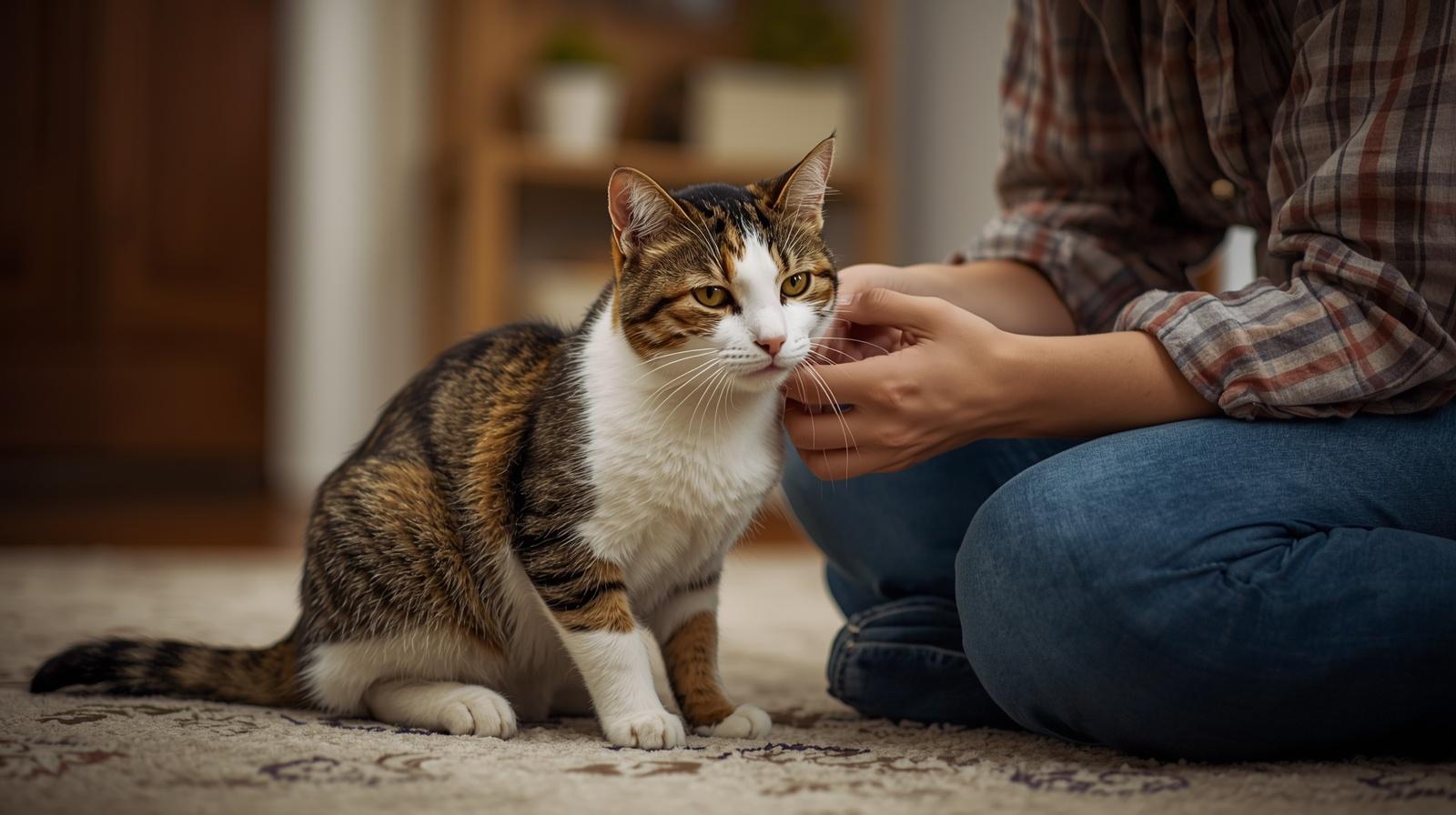
The pandemic changed everything for our feline friends, and as we navigate life in 2026, many cat owners are still dealing with behavioral challenges that began during COVID-19. Your kitty isn’t acting out on purpose – they’re simply trying to cope with dramatic changes that turned their predictable world upside down. Understanding these behaviors and knowing how to address them can make all the difference in helping your cat feel secure again.
During lockdowns, cats experienced unprecedented changes in their daily routines. Suddenly, their humans were home constantly, feeding schedules shifted, and the quiet house became a bustling hub of activity. Now, as life returns to a new normal, many cats are struggling to understand why their carefully adapted routines are changing once again. This adjustment period can be challenging for both cats and their owners, but with patience and the right strategies, you can help your feline friend navigate this transition successfully.
Understanding Why Your Cat’s Behavior Changed
The pandemic fundamentally altered your cat’s environment in ways we’re still understanding today. Think about it from your cat’s perspective – their world operates on routine and predictability. Before COVID-19, they had established patterns around when you left for work, when meals happened, and when the house was quiet versus active. Suddenly, these patterns completely disappeared overnight.
Many cats formed incredibly strong bonds with their owners during lockdown periods. With humans home 24/7, cats received more attention, more frequent meals, and constant companionship. They adapted their sleep cycles to match their owners’ work-from-home schedules and learned to expect near-constant human presence. This intensive bonding period created new dependencies that cats now struggle to understand as humans return to offices and normal activities.
The stress of these changes affects cats differently based on their personality, age, and previous experiences. Some cats become clingy and anxious, while others withdraw and become antisocial. Understanding that your cat’s behavioral changes stem from genuine confusion and stress – not defiance or spite – is the first step toward helping them adjust. Cats don’t understand why their world keeps changing, so they express their anxiety through behaviors that often frustrate their owners.
Recognizing Common Post-Pandemic Cat Behaviors
You’re definitely not alone if your cat is displaying concerning behaviors that started during or after the pandemic. These behavioral changes are incredibly common and represent your cat’s attempt to cope with ongoing uncertainty. Excessive meowing when you prepare to leave is one of the most frequent complaints from cat owners. Your cat has learned to recognize the signs that you’re departing and responds with vocal protests because they’ve become accustomed to your constant presence.
Destructive behaviors like scratching furniture, chewing on inappropriate items, or knocking things off surfaces often indicate stress, boredom, or attention-seeking behavior. Cats who previously had perfect litter box habits might start having accidents in other areas of the house, which can signal anxiety, territorial marking, or medical issues that developed during stressful periods. Some cats retreat and hide more often, becoming less social with family members or visitors, while others might display aggressive behaviors toward people or other pets as a way of expressing their frustration and confusion.
- Excessive vocalization when owners prepare to leave or during departure
- Destructive scratching on furniture, walls, or inappropriate surfaces
- Litter box avoidance and inappropriate elimination in other areas
- Increased hiding behaviors and withdrawal from social interaction
- Aggressive responses toward family members, visitors, or other pets
Addressing the Root Causes of Behavioral Changes
During extended lockdowns, your cat completely reorganized their understanding of normal household rhythms. They adapted to your work-from-home schedule, learned to expect frequent interactions throughout the day, and felt secure knowing you were always accessible. This sense of security became their new normal, making current transitions even more challenging for them to process and accept.
The sudden return to pre-pandemic schedules creates multiple stressors for cats simultaneously. They’re experiencing reduced human interaction, disrupted feeding and play schedules, and completely new household dynamics. Some cats also struggle with the reintroduction of visitors, delivery people, or service workers who were largely absent during lockdown periods. These multiple changes happening at once can overwhelm even the most adaptable cats.
Additionally, many cats developed heightened territorial instincts during the pandemic when their space was constantly occupied by humans. Now they might feel confused about when the territory is “theirs” versus when it belongs to the active household. This territorial confusion can manifest in marking behaviors, aggression, or excessive guarding of specific areas like favorite sleeping spots or feeding locations.
Implementing Gradual Adjustment Strategies
The most important word in helping your cat adjust is “gradually.” Expecting immediate behavioral changes will only lead to frustration for both you and your cat. Start by slowly increasing the time you spend away from home, beginning with very short 10-15 minute departures and gradually extending them over several weeks. This helps your cat learn that departures are temporary and that you’ll always return, rebuilding their confidence in your routine.
Create positive associations with your departure routine by providing special treats, interactive toys, or puzzle feeders right before you leave. This gives your cat something engaging to focus on instead of your absence and helps them associate your departure with positive experiences rather than anxiety. Consider using calming aids like pheromone diffusers, calming music designed for cats, or anxiety-reducing supplements recommended by your veterinarian during this transition period.
Consistency in your approach is crucial for success. Make sure all family members follow the same strategies and avoid accidentally reinforcing anxious behaviors by giving extra attention when your cat displays distress. Instead, reward calm, independent behavior with praise and treats. This teaches your cat that relaxed behavior during transitions leads to positive outcomes, encouraging them to develop better coping strategies over time.
Remember that every cat adjusts at their own pace, and setbacks are completely normal during this process. Some days will be better than others, and that’s perfectly acceptable. The key is maintaining patience and consistency while celebrating small improvements along the way. With time and dedication, most cats can successfully adapt to new routines and regain their confidence and security. Your patience and understanding during this transition will strengthen your bond with your cat and help them thrive in our evolving world. 🐱