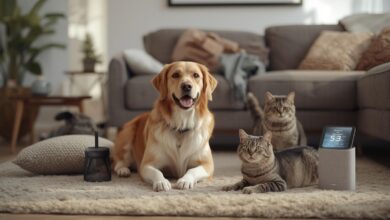
Caring for Elderly Pets in 2026: Complete Guide to Adapting Training Tips for Senior Animals


Our furry companions are living longer, healthier lives than ever before, but this blessing comes with unique challenges that require thoughtful adaptation of our care strategies. As we navigate 2026, pet owners are discovering that traditional training methods need significant adjustments when dealing with senior animals. The golden years of our beloved pets demand a more nuanced approach that considers their changing physical capabilities, cognitive functions, and emotional needs.
The landscape of pet care has transformed dramatically, with cutting-edge technology offering unprecedented support for both pets and their aging owners. Smart monitoring devices, AI-powered health trackers, and telemedicine have revolutionized how we approach senior pet care. Yet, beneath all this technological advancement lies a fundamental truth: our elderly pets need patience, understanding, and modified training techniques that honor their dignity while promoting their wellbeing.
Understanding the Unique Challenges of Senior Pet Care
Senior pets face a complex array of age-related changes that directly impact their ability to learn and respond to traditional training methods. Arthritis and joint stiffness can make simple movements painful, while diminished hearing and vision create communication barriers between pets and their owners. Cognitive changes, similar to dementia in humans, may cause confusion and memory lapses that make previously learned behaviors seem forgotten.
The physical limitations of elderly pets extend beyond obvious mobility issues. Their energy levels fluctuate more dramatically throughout the day, requiring training sessions to be shorter and more strategically timed. Many senior pets experience increased anxiety and stress, particularly when faced with new situations or changes in routine. This heightened sensitivity means that training approaches must be gentler and more reassuring than those used with younger animals.
Perhaps most importantly, senior pets often develop chronic health conditions that require ongoing management. Diabetes, kidney disease, and heart conditions all influence a pet’s capacity for learning and physical activity. Understanding these limitations isn’t about lowering expectations—it’s about creating realistic, achievable goals that enhance quality of life rather than causing frustration or discomfort.
Revolutionary Technology Transforming Senior Pet Training
The technological innovations of 2026 have created unprecedented opportunities for personalized senior pet care. Smart collars equipped with biometric sensors continuously monitor heart rate, activity levels, and sleep patterns, providing valuable data that helps owners optimize training schedules around their pet’s natural energy rhythms. These devices can alert owners to potential health issues before they become serious problems, enabling proactive adjustments to training routines.
Artificial intelligence has revolutionized how we approach individual pet needs. AI-powered apps analyze a pet’s behavior patterns, learning preferences, and physical limitations to suggest customized training exercises. These applications can recognize when a senior pet is struggling with traditional methods and automatically recommend alternative approaches, such as tactile cues for hearing-impaired animals or modified exercises for those with mobility challenges.
Virtual reality training environments have emerged as particularly beneficial for senior pets with anxiety or fearfulness. These controlled digital spaces allow pets to practice behaviors in a stress-free environment before applying them to real-world situations. For elderly pets who may be overwhelmed by busy environments, VR provides a gentle introduction to new experiences at their own pace.
- Smart home integration that adjusts lighting, temperature, and sound levels to optimize training conditions for senior pets
- Automated treat dispensers programmed to reward positive behaviors consistently throughout the day
- Voice-activated training reminders that help aging pet owners maintain consistent routines
- Telehealth platforms connecting pet owners with certified animal behaviorists for real-time training guidance
- Wearable devices that track stress levels and suggest calming techniques during training sessions
Adapting Traditional Training Methods for Aging Bodies and Minds
The cornerstone of successful senior pet training lies in recognizing that slower doesn’t mean less capable. Elderly pets often possess decades of life experience and emotional intelligence that can actually enhance the training process when approached correctly. The key is modifying our expectations and techniques to work with their changing capabilities rather than against them.
Physical modifications form the foundation of effective senior pet training. Training sessions must be shorter—typically 5-10 minutes instead of the 15-30 minute sessions appropriate for younger animals. Multiple brief sessions throughout the day prove more effective than single lengthy ones, as senior pets tire more quickly and have shorter attention spans. Creating comfortable training environments with non-slip surfaces, adequate lighting, and easy access to water becomes crucial for maintaining safety and comfort.
The pace of instruction must slow considerably when working with elderly pets. Commands need to be given more slowly and clearly, with longer pauses between instructions to allow for processing time. Many senior pets benefit from breaking complex behaviors into smaller, more manageable steps that can be mastered gradually. This approach prevents frustration and builds confidence, essential elements for successful training outcomes in older animals.
Reward systems require careful calibration for senior pets. High-value treats remain important motivators, but they must be chosen with dietary restrictions and dental health in mind. Soft treats that are easy to chew work better than hard biscuits for pets with dental issues. Additionally, many elderly pets respond well to non-food rewards such as gentle petting, verbal praise, or brief play sessions with favorite toys.
Innovative Communication Strategies for Sensory-Impaired Pets
As pets age, sensory impairments become increasingly common, necessitating creative communication strategies that transcend traditional verbal and visual cues. Hearing loss affects a significant percentage of senior dogs and cats, while vision problems can range from mild cloudiness to complete blindness. These challenges require patient adaptation and often benefit from multi-sensory approaches that provide redundant information through multiple channels.
Tactile communication emerges as a powerful tool for training sensory-impaired senior pets. Gentle touches, hand signals placed directly on the pet’s body, and vibration collars can effectively replace verbal commands. For example, a light touch on the shoulder can signal “sit,” while a gentle pressure on the back can indicate “down.” These physical cues must be introduced gradually and paired with positive reinforcement to create new associations.
Visual cues require modification for pets with declining eyesight. Larger, more contrasted hand signals work better than subtle gestures, and consistent lighting becomes crucial for visibility. Some owners find success with colored targets or markers that stand out against the background, helping pets navigate and respond to training exercises. For completely blind pets, consistent verbal cues combined with tactile guidance can maintain effective communication.
Scent-based training takes advantage of the fact that smell typically remains strong even in elderly pets. Using specific scents to mark training areas, hide treats, or signal different activities can provide clear guidance for pets whose other senses have diminished. Essential oils, herb sachets, or commercial scent markers can create olfactory landmarks that help senior pets navigate their environment and understand expectations.
The integration of technology offers additional solutions for sensory-impaired pets. Vibrating collars can deliver gentle alerts that replace auditory commands, while smartphone apps can generate specific frequencies that some hearing-impaired pets can still detect. Light-based signals, including laser pointers used safely on walls or floors, can guide visually impaired pets when used consistently and paired with positive outcomes.
Remember that caring for senior pets isn’t about managing decline—it’s about celebrating the wisdom, loyalty, and love that comes with years of companionship. Every gentle training session, every patient moment, and every adapted technique is an investment in quality time with your cherished companion. With the right approach, your elderly pet’s golden years can be filled with continued learning, growth, and joy! 🐾